
Blog
Insights on premium mobility, MICE logistics, and inbound travel across Korea.
Not a Taxi, Not a Rental, Not a Van Service: What Wizmobility Actually Does
Most ground mobility procurement in Korea begins with the wrong category. Taxis, rental cars, and call vans each solve a different problem, and none of them solve the problem that inbound brand operations, global hospitality teams, and MICE planners actually face. Understanding what Wizmobility does requires understanding what it deliberately does not do, and why that distinction changes the operational outcome.
Incheon Airport Pickup Guide: Terminals, Meeting Points, and Route Times by Destination
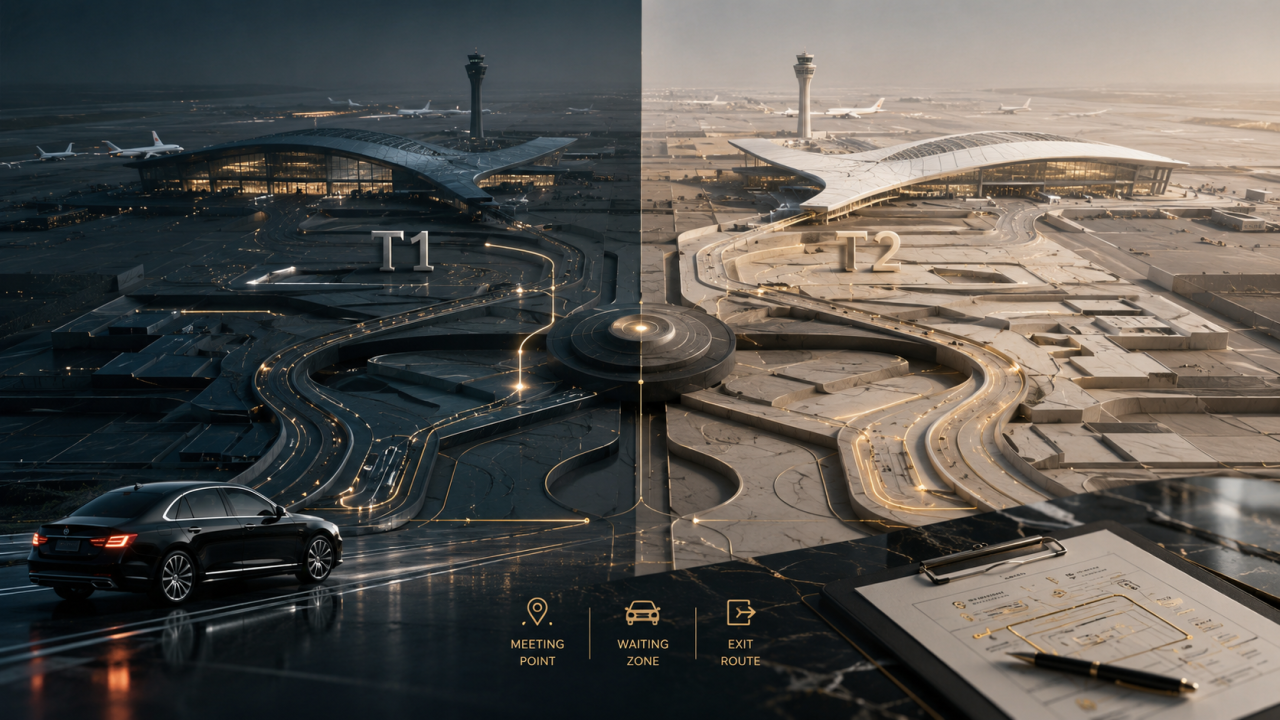
Incheon International Airport handles arrivals across two terminals, each with distinct meeting-point configurations, vehicle staging zones, and exit flows. For DMC planners, corporate travel managers, and concierge operators, knowing which terminal a guest arrives at and where the vehicle should be positioned makes the difference between a smooth handoff and a scrambled first impression. This guide covers T1 and T2 pickup flows, vehicle staging logistics, and transfer times to major destinations.
Korea 2027: Why Inbound Ground Mobility Planning Starts Now
Korea 2027 is shaping up to be one of the most concentrated international event years the country has seen in recent memory. World Youth Day, the FISU World University Games, and the Boryeong Mud Festival are among the major gatherings expected to bring hundreds of thousands of international visitors to Korean cities within a narrow calendar window. For DMC planners, concierge teams, and ground mobility operators, the preparation window is not 2027. It is now.
Obtaining a Platform Transport Business License in Busan: How Wizmobility Built Its Legal Operating Foundation
Wizmobility obtained a Platform Transport Business (Type 1) license in Busan, becoming the first operator outside Seoul and Gyeonggi to do so. The process requires meeting nine evaluation areas set by the Ministry of Land, Infrastructure and Transport, demanding extensive preparation from first-time applicants. This article outlines what this license means for Wizmobility and for the premium mobility market outside the metropolitan area.
From Incheon Airport Arrivals to the Hotel: How the Pickup Flow Actually Works
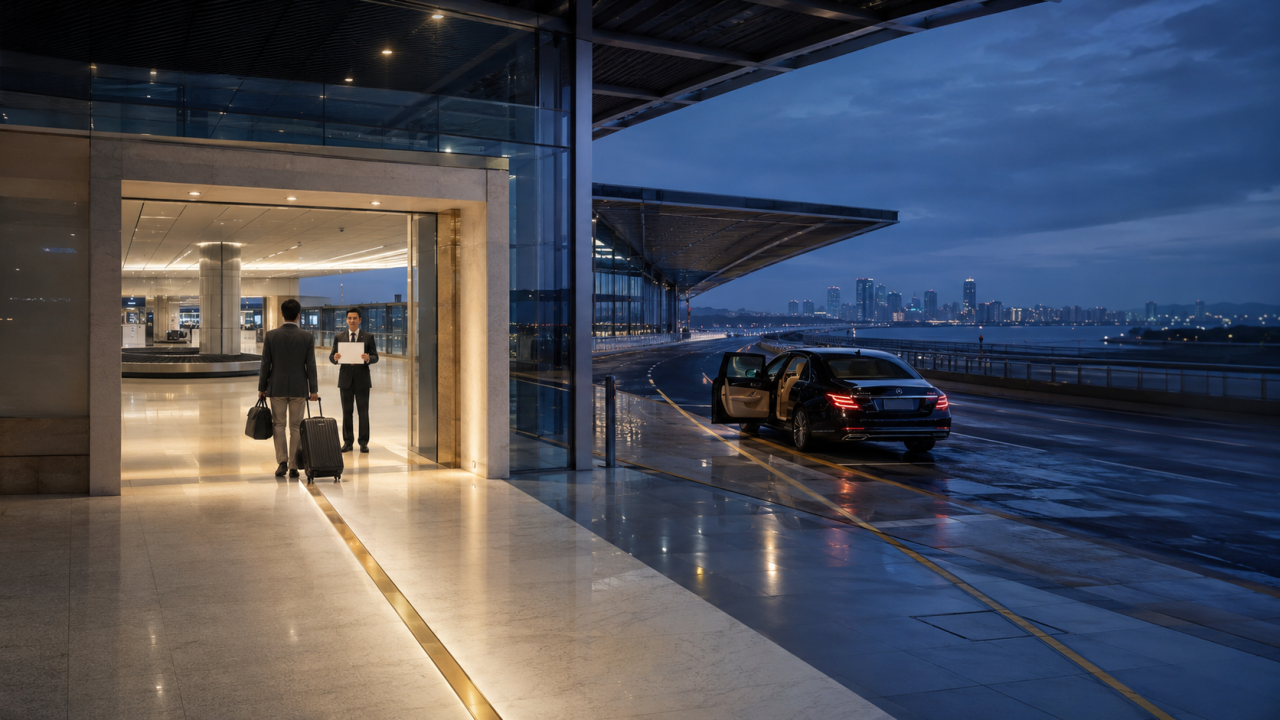
The first thirty minutes after landing at Incheon Airport set the tone for an entire Korea visit. For international VIPs and executive travelers, the quality of the ground pickup, where the chauffeur stands, how clearly they're identifiable, how far the walk to the vehicle is, is the first signal of whether the operation has been thought through. This guide covers how a well-designed Incheon Airport arrival transfer actually works, from the arrivals hall meeting point to the vehicle and on to the hotel.
What a 24/7 Dispatch Team Actually Does During a Corporate Trip
When a corporate trip to Korea runs without a problem, it is rarely because nothing went wrong. Flights shift, schedules compress, venue access windows close earlier than planned. What makes the difference is whether someone is watching, and acting, before the executive feels any of it. This is what Wizmobility's 24/7 dispatch operation is designed to do: absorb the variables so the visit stays intact.
How to Brief Your Ground Mobility Partner Before a Korea Inbound Program
Most inbound program failures in Korea trace back not to execution, but to an incomplete or mistimed brief. This guide gives MICE planners, DMC operators, and corporate travel managers a structured framework for what information to share, and when, before ground operations begin. The ceiling of what any mobility partner can deliver is set before a single vehicle moves.
Planning a Multi-City MICE Program in Korea: Ground Mobility Across Seoul, Busan, and Jeju
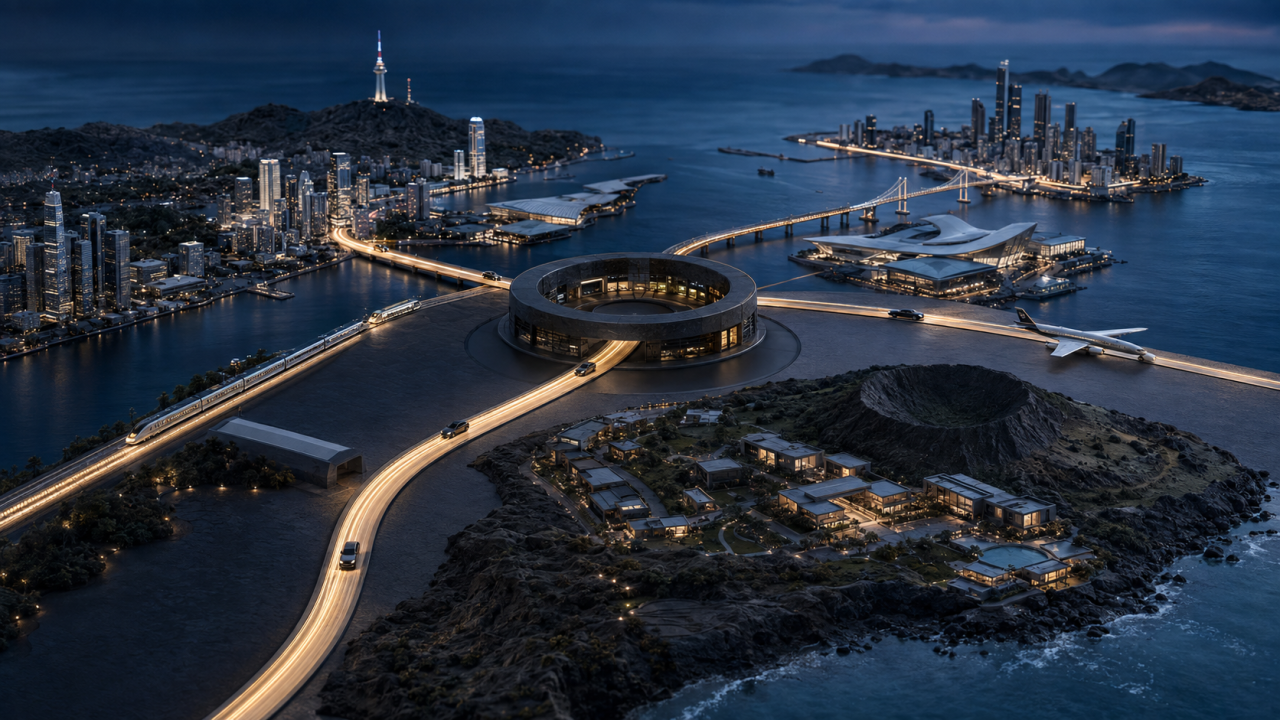
For MICE planners building a multi-city Korea program, the ground mobility question rarely starts with car types, it starts with how three very different cities, each with its own traffic logic and venue geography, can be held together within a single operational framework. This guide covers the distinct logistical challenges of Seoul, Busan, and Jeju, the intercity transfer variables that connect them, and the coordination disciplines that determine whether a program runs cleanly across all three.
Why Ground Mobility Defines the Entire Executive Visit to Korea
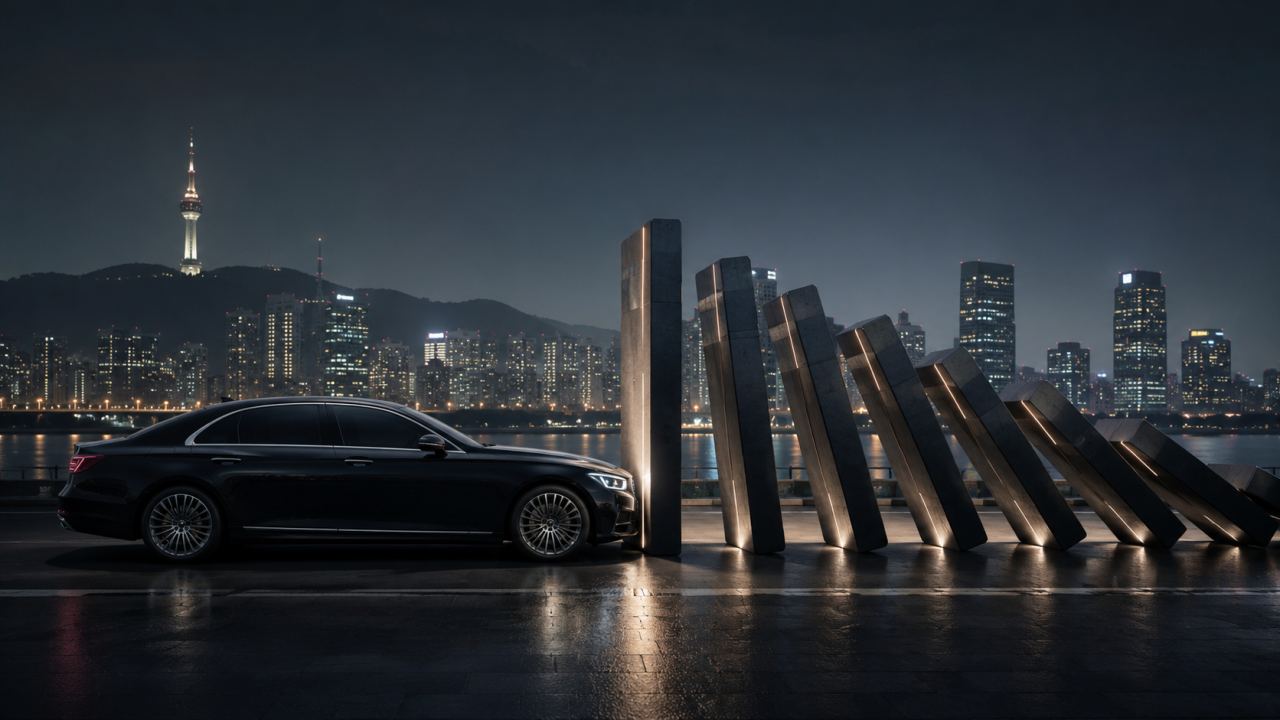
When a senior executive arrives in Korea on a compressed, multi-meeting schedule, the vehicle waiting at the airport is not a convenience, it is the first signal of how well the visit has been prepared. From that moment, every transfer either protects the day's integrity or introduces a risk that compounds. This is why ground mobility, more than any other operational element, determines whether a high-stakes visit to Korea succeeds.

A Good Vehicle Is Not Good Service: The Real Standards for Premium Mobility in Korea
Most global brands and MICE planners arriving in Korea evaluate their mobility partner on two things: vehicle model and English proficiency. Both matter, but neither determines whether the operation will actually succeed. The gap between a good vehicle and good service is where most premium mobility operations in Korea either earn or lose the confidence of their clients.
Korea Protocol Transport Is Not a Booking Problem
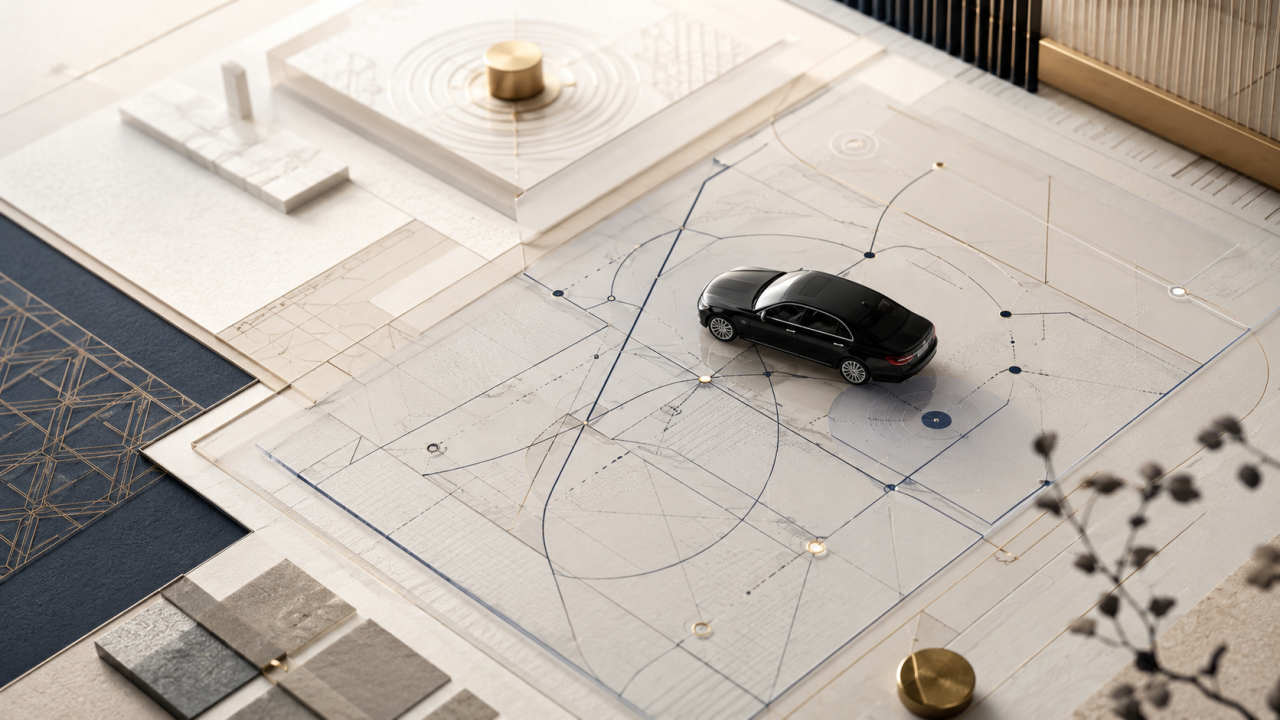
Most global brands and event planners entering Korea treat ground mobility as a procurement task: identify a reputable operator, confirm vehicle availability, and book. That framing misses what protocol transport in Korea actually requires. The difference between a smooth operation and a visible failure is almost never the vehicle, it is the operational design that precedes it.
Incheon Airport Pickup Guide: Terminals, Meeting Points, and Route Times by Destination
Incheon International Airport handles arrivals across two terminals, each with distinct meeting-point configurations, vehicle staging zones, and exit flows. For DMC planners, corporate travel managers, and concierge operators, knowing which terminal a guest arrives at and where the vehicle should be positioned makes the difference between a smooth handoff and a scrambled first impression. This guide covers T1 and T2 pickup flows, vehicle staging logistics, and transfer times to major destinations.
Korea 2027: Why Inbound Ground Mobility Planning Starts Now
Korea 2027 is shaping up to be one of the most concentrated international event years the country has seen in recent memory. World Youth Day, the FISU World University Games, and the Boryeong Mud Festival are among the major gatherings expected to bring hundreds of thousands of international visitors to Korean cities within a narrow calendar window. For DMC planners, concierge teams, and ground mobility operators, the preparation window is not 2027. It is now.
Obtaining a Platform Transport Business License in Busan: How Wizmobility Built Its Legal Operating Foundation
Wizmobility obtained a Platform Transport Business (Type 1) license in Busan, becoming the first operator outside Seoul and Gyeonggi to do so. The process requires meeting nine evaluation areas set by the Ministry of Land, Infrastructure and Transport, demanding extensive preparation from first-time applicants. This article outlines what this license means for Wizmobility and for the premium mobility market outside the metropolitan area.
From Incheon Airport Arrivals to the Hotel: How the Pickup Flow Actually Works
The first thirty minutes after landing at Incheon Airport set the tone for an entire Korea visit. For international VIPs and executive travelers, the quality of the ground pickup, where the chauffeur stands, how clearly they're identifiable, how far the walk to the vehicle is, is the first signal of whether the operation has been thought through. This guide covers how a well-designed Incheon Airport arrival transfer actually works, from the arrivals hall meeting point to the vehicle and on to the hotel.
How to Brief Your Ground Mobility Partner Before a Korea Inbound Program
Most inbound program failures in Korea trace back not to execution, but to an incomplete or mistimed brief. This guide gives MICE planners, DMC operators, and corporate travel managers a structured framework for what information to share, and when, before ground operations begin. The ceiling of what any mobility partner can deliver is set before a single vehicle moves.
Planning a Multi-City MICE Program in Korea: Ground Mobility Across Seoul, Busan, and Jeju
For MICE planners building a multi-city Korea program, the ground mobility question rarely starts with car types, it starts with how three very different cities, each with its own traffic logic and venue geography, can be held together within a single operational framework. This guide covers the distinct logistical challenges of Seoul, Busan, and Jeju, the intercity transfer variables that connect them, and the coordination disciplines that determine whether a program runs cleanly across all three.
Why Ground Mobility Defines the Entire Executive Visit to Korea
When a senior executive arrives in Korea on a compressed, multi-meeting schedule, the vehicle waiting at the airport is not a convenience, it is the first signal of how well the visit has been prepared. From that moment, every transfer either protects the day's integrity or introduces a risk that compounds. This is why ground mobility, more than any other operational element, determines whether a high-stakes visit to Korea succeeds.
Incheon Airport Pickup Guide: Terminals, Meeting Points, and Route Times by Destination
Incheon International Airport handles arrivals across two terminals, each with distinct meeting-point configurations, vehicle staging zones, and exit flows. For DMC planners, corporate travel managers, and concierge operators, knowing which terminal a guest arrives at and where the vehicle should be positioned makes the difference between a smooth handoff and a scrambled first impression. This guide covers T1 and T2 pickup flows, vehicle staging logistics, and transfer times to major destinations.
Obtaining a Platform Transport Business License in Busan: How Wizmobility Built Its Legal Operating Foundation
Wizmobility obtained a Platform Transport Business (Type 1) license in Busan, becoming the first operator outside Seoul and Gyeonggi to do so. The process requires meeting nine evaluation areas set by the Ministry of Land, Infrastructure and Transport, demanding extensive preparation from first-time applicants. This article outlines what this license means for Wizmobility and for the premium mobility market outside the metropolitan area.
From Incheon Airport Arrivals to the Hotel: How the Pickup Flow Actually Works
The first thirty minutes after landing at Incheon Airport set the tone for an entire Korea visit. For international VIPs and executive travelers, the quality of the ground pickup, where the chauffeur stands, how clearly they're identifiable, how far the walk to the vehicle is, is the first signal of whether the operation has been thought through. This guide covers how a well-designed Incheon Airport arrival transfer actually works, from the arrivals hall meeting point to the vehicle and on to the hotel.
What a 24/7 Dispatch Team Actually Does During a Corporate Trip
When a corporate trip to Korea runs without a problem, it is rarely because nothing went wrong. Flights shift, schedules compress, venue access windows close earlier than planned. What makes the difference is whether someone is watching, and acting, before the executive feels any of it. This is what Wizmobility's 24/7 dispatch operation is designed to do: absorb the variables so the visit stays intact.
How to Brief Your Ground Mobility Partner Before a Korea Inbound Program
Most inbound program failures in Korea trace back not to execution, but to an incomplete or mistimed brief. This guide gives MICE planners, DMC operators, and corporate travel managers a structured framework for what information to share, and when, before ground operations begin. The ceiling of what any mobility partner can deliver is set before a single vehicle moves.
Incheon Airport Pickup Guide: Terminals, Meeting Points, and Route Times by Destination
Incheon International Airport handles arrivals across two terminals, each with distinct meeting-point configurations, vehicle staging zones, and exit flows. For DMC planners, corporate travel managers, and concierge operators, knowing which terminal a guest arrives at and where the vehicle should be positioned makes the difference between a smooth handoff and a scrambled first impression. This guide covers T1 and T2 pickup flows, vehicle staging logistics, and transfer times to major destinations.
Korea 2027: Why Inbound Ground Mobility Planning Starts Now
Korea 2027 is shaping up to be one of the most concentrated international event years the country has seen in recent memory. World Youth Day, the FISU World University Games, and the Boryeong Mud Festival are among the major gatherings expected to bring hundreds of thousands of international visitors to Korean cities within a narrow calendar window. For DMC planners, concierge teams, and ground mobility operators, the preparation window is not 2027. It is now.
Obtaining a Platform Transport Business License in Busan: How Wizmobility Built Its Legal Operating Foundation
Wizmobility obtained a Platform Transport Business (Type 1) license in Busan, becoming the first operator outside Seoul and Gyeonggi to do so. The process requires meeting nine evaluation areas set by the Ministry of Land, Infrastructure and Transport, demanding extensive preparation from first-time applicants. This article outlines what this license means for Wizmobility and for the premium mobility market outside the metropolitan area.
Obtaining a Platform Transport Business License in Busan: How Wizmobility Built Its Legal Operating Foundation
Wizmobility obtained a Platform Transport Business (Type 1) license in Busan, becoming the first operator outside Seoul and Gyeonggi to do so. The process requires meeting nine evaluation areas set by the Ministry of Land, Infrastructure and Transport, demanding extensive preparation from first-time applicants. This article outlines what this license means for Wizmobility and for the premium mobility market outside the metropolitan area.
A Good Vehicle Is Not Good Service: The Real Standards for Premium Mobility in Korea
Most global brands and MICE planners arriving in Korea evaluate their mobility partner on two things: vehicle model and English proficiency. Both matter, but neither determines whether the operation will actually succeed. The gap between a good vehicle and good service is where most premium mobility operations in Korea either earn or lose the confidence of their clients.
Not a Taxi, Not a Rental, Not a Van Service: What Wizmobility Actually Does
Most ground mobility procurement in Korea begins with the wrong category. Taxis, rental cars, and call vans each solve a different problem, and none of them solve the problem that inbound brand operations, global hospitality teams, and MICE planners actually face. Understanding what Wizmobility does requires understanding what it deliberately does not do, and why that distinction changes the operational outcome.
Korea Protocol Transport Is Not a Booking Problem
Most global brands and event planners entering Korea treat ground mobility as a procurement task: identify a reputable operator, confirm vehicle availability, and book. That framing misses what protocol transport in Korea actually requires. The difference between a smooth operation and a visible failure is almost never the vehicle, it is the operational design that precedes it.